
The Interview: Christopher Marney
September 2026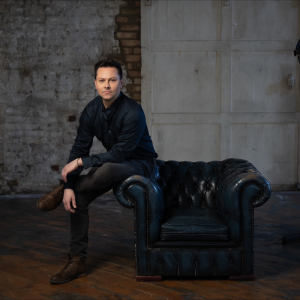
I thought the tour would take a lot of time to build up the venues and the audience numbers. But really, from the second year, we’ve had so many invitations from different venues internationally because I think the work has appealed to venues. Obviously the calibre of the dancers is wonderful, but the work has really appealed.
Restricted View
To view this article, you need to be a member of The Kael Report. Membership supports our ability to publish high-quality reports and insights into the theatre industry and the wider arts. We offer an affordable monthly subscription that helps keep the magazine running.
Related Reading
The Interview: Michael Novak
Paul wanted the dancers onstage to look like a community of people. There is no single body type. The only body type, really, is a dancer who is very powerful: strong thighs and a strong back. Heights vary. Proportions vary. Their backgrounds vary. Some are ballet dancers, some are musical-theatre dancers, some are actors and some are street performers.
12 Questions with ... Amy Seiwert
My family has been incredibly influential here; I come from a long line of folks who were able to make a living in the arts. My mother taught junior high chorus, my paternal grandfather played the organ in church, my maternal grandmother taught piano in her living room, and my aunt had a career as a tap dancer on Broadway. I always found home in being able to express myself physically through music, and that passion was supported at an early age.