
On Our Radar: Autumn 2026
August 2026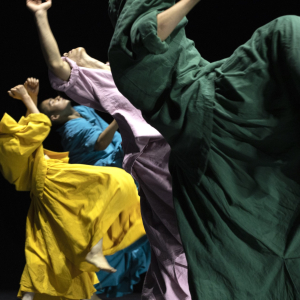
Since its launch, Dance Reflections has supported numerous companies in developing new choreography, as well as institutions in presenting it on the international stage. Its activities extend beyond the festival to include commissions, performances, residencies and educational programmes throughout the year. Beyond commissioning and presenting choreography, Dance Reflections places increasing emphasis on education and the sharing of choreographic knowledge. Together with its partners, the initiative organises residencies for professional dancers, as well as events designed to deepen audiences’ understanding of choreographic culture. Its network, now comprising around 70 partners across 17 countries, continues to grow with each project.
Restricted View
To view this article, you need to be a member of The Kael Report. Membership supports our ability to publish high-quality reports and insights into the theatre industry and the wider arts. We offer an affordable monthly subscription that helps keep the magazine running.
Related Reading
12 Questions with ... Amy Seiwert
My family has been incredibly influential here; I come from a long line of folks who were able to make a living in the arts. My mother taught junior high chorus, my paternal grandfather played the organ in church, my maternal grandmother taught piano in her living room, and my aunt had a career as a tap dancer on Broadway. I always found home in being able to express myself physically through music, and that passion was supported at an early age.
On Its Toes: New York City Ballet
Balanchine changed the ballet world not only through his artistry but through the institutions and dancers he shaped. As co-founder of the School of American Ballet and New York City Ballet, he created an enduring framework for his artistic vision, helping to secure his reputation as the greatest choreographer of the 20th century. Mr B — as he was affectionately known to the dancers — also helped break down racial barriers in ballet by championing Arthur Mitchell, who was invited by Lincoln Kirstein to enrol at the School of American Ballet in 1951 and joined New York City Ballet four years later, eventually becoming the first Black principal dancer at a major ballet company.