
True American: Alvin Ailey American Dance Theater
August 2026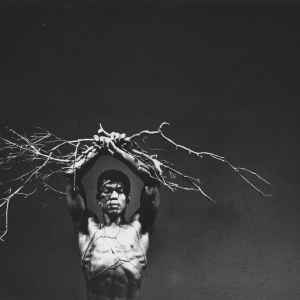
Their emotional intimacy enveloped the audience. There was a palpable intensity to their performance from the instant they appeared beneath the warm lights in the dance’s opening pose. I leaned forward, my heart beating a little faster and my breath growing shallower, as they drew us so completely into their world for those few minutes that at times it felt almost uncomfortable to witness. Strength and fragility blended in their movements and expressions as they told the story of two souls leaning into God and into one another for strength and respite.
Restricted View
To view this article, you need to be a member of The Kael Report. Membership supports our ability to publish high-quality reports and insights into the theatre industry and the wider arts. We offer an affordable monthly subscription that helps keep the magazine running.
Related Reading
All Up in My Mind: The Renaissance of Beyoncé
It became clear that the Cowboy Carter experience was intentionally designed to make us think — that the music and visual world she created were meant to serve as portals into these conversations, rooted in what I see as her ongoing self-exploration through art.
On Its Toes: New York City Ballet
Balanchine changed the ballet world not only through his artistry but through the institutions and dancers he shaped. As co-founder of the School of American Ballet and New York City Ballet, he created an enduring framework for his artistic vision, helping to secure his reputation as the greatest choreographer of the 20th century. Mr B — as he was affectionately known to the dancers — also helped break down racial barriers in ballet by championing Arthur Mitchell, who was invited by Lincoln Kirstein to enrol at the School of American Ballet in 1951 and joined New York City Ballet four years later, eventually becoming the first Black principal dancer at a major ballet company.