
The 90s: Art and Fashion, Tate Britain, October 2026
November 2026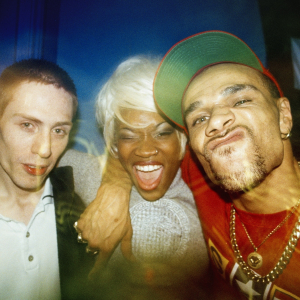
The 90s did not begin in 1990. Much of what we now associate with the decade had begun years earlier but flourished during it. Though decades are fixed units of time, using them to categorise cultural and social trends is a somewhat artificial exercise: a way to codify behaviour and compartmentalise our world, often at the expense of nuance and deeper scrutiny.
Restricted View
To view this article, you need to be a member of The Kael Report. Membership supports our ability to publish high-quality reports and insights into the theatre industry and the wider arts. We offer an affordable monthly subscription that helps keep the magazine running.
Related Reading
A Very British Rivalry — Turner and Constable: Rivals and Originals, Tate Britain, March 2026
Blockbuster exhibitions have now become a familiar fixture in the cultural calendar, with each year bringing at least one supposedly unmissable show. When these exhibitions open, they generate curiosity and excitement; when they exceed expectations, they can become something more — cultural moments that resonate well beyond the walls of the gallery. That is precisely what Tate Britain’s Turner and Constable: Rivals and Originals has done.
The Frick Collection, New York, April 2026
The Frick Collection has been an integral part of my relationship with New York since before I was old enough to drink alcohol legally in the city. Decades after my first visit, I still marvel at its collection and cherish the tranquillity within its walls. Housed in one of the Upper East Side’s last surviving Gilded Age mansions, directly across from Central Park, the Frick functions as an oasis: a place of beauty, stillness and nourishment for the soul.